"I Am Woman — The Power is Within Me" — charity calendar for the year 2025. Join to our project!
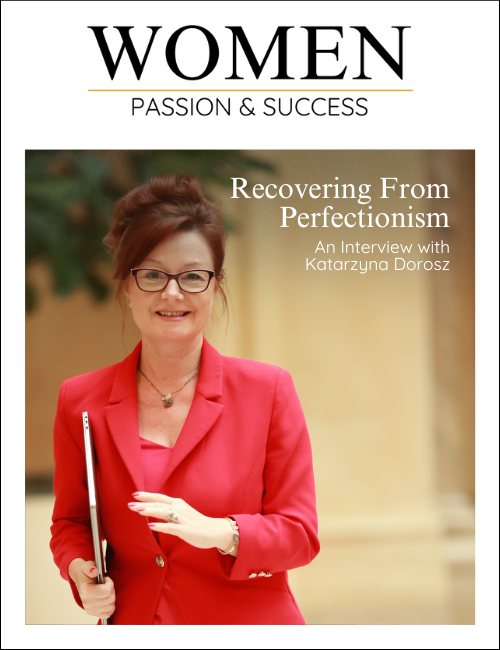
Recovering From Perfectionism – An Interview with Katarzyna Dorosz
Perfectionism – a trait often admired at first glance – can become a heavy burden in practice. To understand how it affects business, personal life, and the work of caregivers and clinical teams, we spoke with Katarzyna Dorosz – corporate expert, advisor to clinics and caregivers, and mentor in the field of mental health and longevity.
Perfectionism is often seen as a sign of professionalism. Why do you believe it can also be dangerous?
K.D.
Perfectionism is not the same as striving for high quality. It is more about inner fear – fear of mistakes, criticism, or judgment. We see this especially in business, where managers delay projects endlessly because “something still needs to be improved.” We also see it in clinics and among caregivers, who constantly feel they are never doing enough for their patients. The result is stress, lack of decisiveness, and eventually burnout.
What are the most common effects of perfectionism you observe in your work with companies, clinics, and caregivers?
K.D.
In business, I often see “decision paralysis.” Teams have excellent ideas but spend weeks perfecting presentations or reports instead of implementing them and testing in real life. The result? Organizations miss market opportunities.
In clinics and among caregivers, perfectionism leads to mental overload. Caregivers feel they could always have done more or better. This creates guilt, chronic fatigue, and even health problems. But the truth is, to take good care of others, you must first take care of yourself.
What are the first steps to overcome this trap?
K.D.
There are several key stages:
- Redefine success – success doesn’t mean “a perfect project.” Success is every step forward that brings you closer to your goal. Instead of asking, “Is this perfect?” ask: “Is this good enough to move forward?”
- Accept imperfection – instead of chasing an ideal that doesn’t exist, learn from mistakes and improve as you go.
- Practice “done is better than perfect” – often, an 80% complete project implemented and improved later is more valuable than one sitting in a drawer, never launched.
- Separate priorities from details – perfectionists waste hours on details that don’t impact the final outcome. Learn to distinguish what truly matters.
- Build a culture that accepts mistakes – in teams and clinics, it is crucial to create an environment where mistakes are learning opportunities, not reasons for criticism.
- Introduce self-acceptance and gratitude rituals – this helps people pause, recognize progress, and appreciate themselves.
What changes in life and work when we let go of perfectionism?
K.D.
We gain, above all, courage and freedom of action. Teams start moving faster, taking risks, and becoming more innovative. For caregivers, it means greater balance – they regain peace, take care of their own health, and have the energy to care for others with empathy.
For leaders and managers, it’s a huge shift – when we let go of perfectionism, we see that success is a process, not just the end result. This builds resilience and mental stability.
How can organizations support their people in overcoming perfectionism?
K.D.
It starts with a cultural shift. Leaders must model the mindset: “we can try, we can fail, we can learn.” Transparent communication, debriefing mistakes together, and offering emotional support make employees feel safe rather than paralyzed by fear of judgment.
In clinics and caregiving environments, implementing mental health support programs and stress management training is essential. In my work, I often emphasize that the best care begins with a healthy, balanced caregiver.
What would you say to someone struggling with perfectionism today?
K.D.
I would say: let go and take action. Perfectionism doesn’t lead to success – it leads to stagnation. True success is born from courage – from taking steps even if they are not perfect. When you let go of the need to be flawless, you gain joy in creating, healthier relationships, and balance in life.
Recovering from perfectionism is not giving up on quality – it’s regaining freedom in action.
What about you? In which area of your life or work do you feel perfectionism blocks you the most?
KasiaSpeak.com